Exploring Motion Capture's Role in Dance Injury Prevention

Dance is a beautiful art form that combines creativity, expression, and physicality. However, it also comes with its fair share of risks, particularly when it comes to injuries. Dancers often push their bodies to the limit, which can lead to strains, sprains, and other injuries. Fortunately, advancements in technology, particularly motion capture, are changing the way we approach dance training and injury prevention.
In this blog post, we will explore how motion capture technology is being used to help dancers avoid injuries. We will look at what motion capture is, how it works, and its benefits in the world of dance.
What is Motion Capture?
Motion capture, often referred to as MoCap, is a technology that records the movement of objects or people. In the context of dance, it involves using sensors or cameras to track a dancer's movements in real-time. This data is then translated into a digital format that can be analyzed and studied.
The technology has been widely used in the film and video game industries to create realistic animations. However, its application in dance is relatively new and exciting.
How Does Motion Capture Work?
Motion capture systems typically use a combination of cameras and sensors. Here’s a simple breakdown of how it works:
Setup: Dancers wear special suits equipped with markers or sensors. These markers are placed at key points on the body, such as joints and limbs.
Recording: As the dancer performs, cameras capture the movement of these markers from multiple angles.
Data Processing: The captured data is processed by software that translates the movements into a digital format.
Analysis: The resulting data can be analyzed to identify patterns, assess technique, and pinpoint areas of potential injury risk.
This process allows for a detailed examination of a dancer's movements, providing insights that can help improve performance and reduce the risk of injury.
Benefits of Motion Capture in Dance
1. Identifying Risk Factors
One of the primary benefits of motion capture is its ability to identify risk factors for injuries. By analyzing a dancer's movements, coaches and trainers can spot improper techniques or movements that may lead to injury.
For example, if a dancer consistently lands awkwardly after a jump, this could put stress on their knees. Motion capture can highlight this issue, allowing for targeted training to correct the movement.
2. Enhancing Technique
Motion capture technology can also be used to enhance a dancer's technique. By providing visual feedback, dancers can see their movements in real-time and make adjustments as needed.
This immediate feedback is invaluable. Dancers can learn to refine their technique, improving their overall performance while reducing the risk of injury.
3. Personalized Training Programs
Every dancer is unique, and their training should reflect that. Motion capture allows for the creation of personalized training programs tailored to an individual dancer's needs.
By understanding a dancer's specific movement patterns, trainers can design exercises that strengthen weak areas and improve overall performance. This personalized approach can significantly reduce the likelihood of injuries.
4. Injury Rehabilitation
For dancers recovering from injuries, motion capture can play a crucial role in rehabilitation. By monitoring their movements, therapists can assess progress and make necessary adjustments to the rehabilitation program.
This ensures that dancers are not only recovering but also returning to their full potential safely.
5. Research and Development
Motion capture technology is also being used in research to better understand dance-related injuries. By studying large groups of dancers, researchers can identify common injury patterns and develop strategies to prevent them.
This research can lead to improved training methods and better safety protocols in dance studios and schools.
Real-World Applications
Several dance companies and studios are already using motion capture technology to enhance their training programs. For instance, the Royal Ballet in London has integrated motion capture into their training regimen.
By analyzing the movements of their dancers, they can identify areas for improvement and reduce the risk of injuries. This proactive approach has led to healthier dancers and improved performances.
Another example is the use of motion capture in dance competitions. Judges can use the technology to assess a dancer's technique more accurately, ensuring fairer evaluations.
Challenges and Considerations
While motion capture offers many benefits, there are also challenges to consider.
1. Cost
Motion capture systems can be expensive to set up and maintain. This may limit access for smaller dance studios or independent dancers.
2. Learning Curve
Using motion capture technology requires training and expertise. Dancers and trainers must learn how to interpret the data effectively to make meaningful improvements.
3. Technology Limitations
While motion capture is a powerful tool, it is not infallible. The technology may not capture every nuance of a dancer's movement, and human interpretation is still necessary.
The Future of Motion Capture in Dance
As technology continues to advance, the future of motion capture in dance looks promising. We can expect to see more affordable systems and user-friendly software that make this technology accessible to a wider audience.
Additionally, as research in this field grows, we will likely see more refined techniques for injury prevention and performance enhancement.
Dancers of all levels will benefit from these advancements, leading to healthier bodies and more expressive performances.
Final Thoughts
Motion capture technology is revolutionizing the way we approach dance training and injury prevention. By providing valuable insights into movement patterns, it helps dancers improve their technique and reduce the risk of injuries.
As this technology becomes more accessible, we can look forward to a future where dancers can perform at their best while staying safe.
The integration of motion capture into dance is not just a trend; it is a significant step toward a healthier and more sustainable future for dancers everywhere.
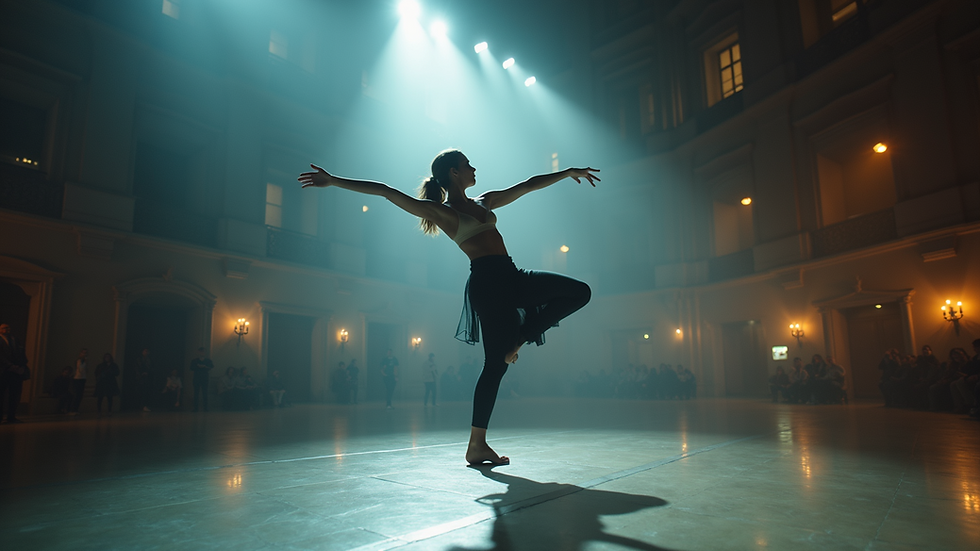
In the world of dance, where every movement counts, motion capture is proving to be an invaluable ally. Embracing this technology can lead to a new era of dance that prioritizes both artistry and safety.


Comments